


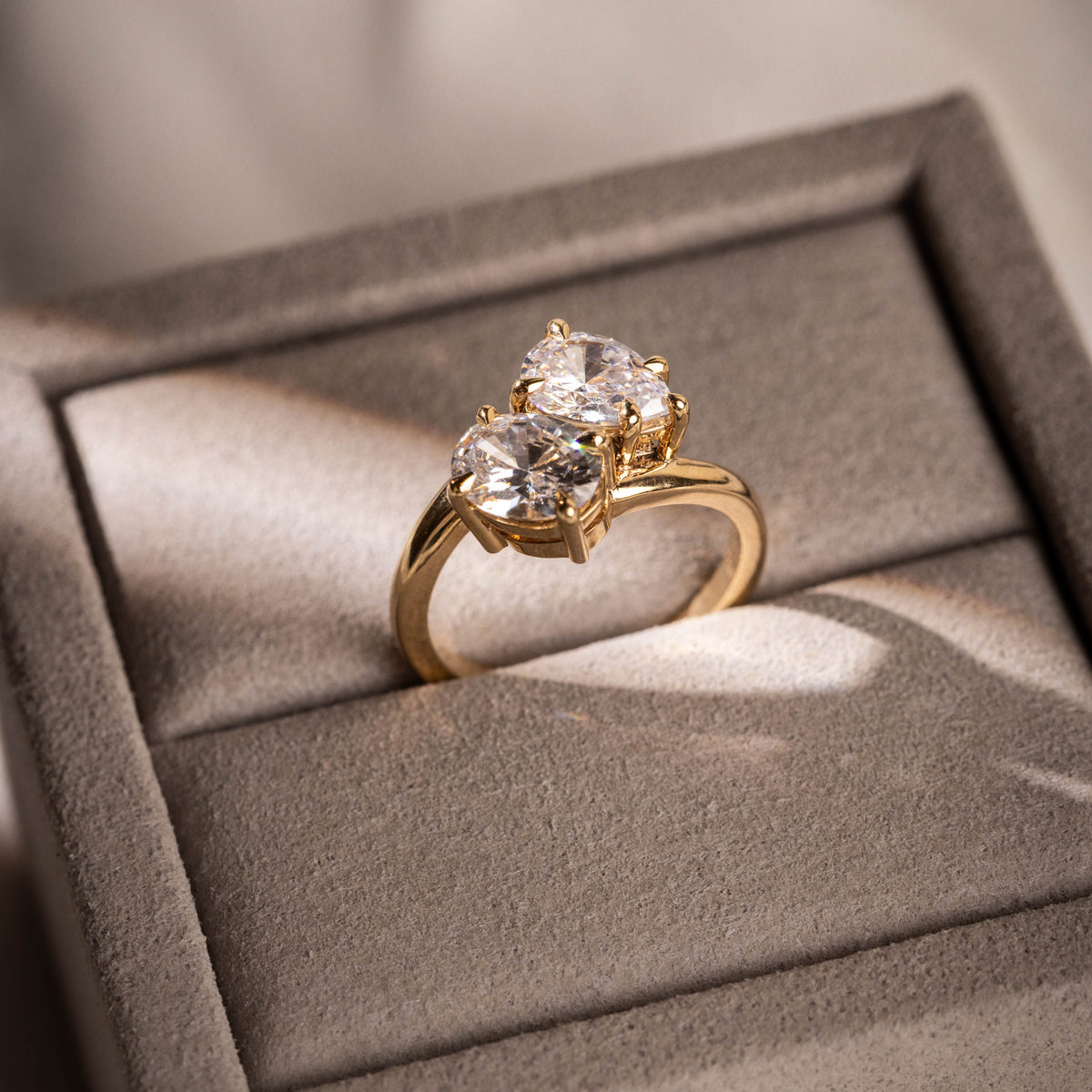
Diamonds have always been a symbol of elegance, wealth, and romance. However, as technology advances and environmental awareness grows, the jewelry industry is undergoing a transformative shift. One of the most significant developments in recent years is the rise of lab created diamonds, particularly those produced using the HPHT (High Pressure High Temperature) method. These dazzling stones offer not only beauty and durability but also a responsible alternative to traditional mining.
In this article, we explore the HPHT process, compare it with other diamond creation techniques, and highlight why more people are choosing lab grown diamonds over their mined counterparts.
What Are Lab Created Diamonds?
Before diving into the HPHT method, it’s important to understand what lab created diamonds truly are. These are real diamonds, not simulants or imitations like cubic zirconia or moissanite. Lab grown diamonds have the same crystal structure, chemical composition, and physical properties as natural diamonds. They are composed entirely of carbon atoms arranged in a cubic crystal lattice, just like a mined diamond.
The only difference? Instead of forming deep underground over billions of years, these diamonds are grown in highly controlled laboratory environments, usually over the course of a few weeks.
The HPHT Process Explained
HPHT stands for High Pressure High Temperature, and it’s one of the two primary methods used to produce lab grown diamonds (the other being Chemical Vapor Deposition or CVD).
Here’s how the HPHT process works:
1. Diamond Seed
The process starts with a tiny sliver of diamond, known as a diamond seed. This seed is placed inside a carbon source, such as graphite.
2. Extreme Conditions
The carbon and seed are subjected to pressures of about 5–6 GPa (gigapascals) and temperatures of around 1,500°C — conditions similar to those found in the Earth’s mantle, where natural diamonds are formed.
3. Crystal Growth
Under these conditions, the carbon melts and begins to crystallize around the seed, slowly growing into a larger diamond over several days to a few weeks.
4. Cooling and Finishing
Once the crystal is fully formed, the pressure and temperature are gradually reduced. The diamond is then extracted, cut, polished, and graded — just like any natural stone.
Benefits of HPHT Lab Grown Diamonds
The HPHT process is not only fascinating but also offers several unique advantages:
1. Excellent Quality
HPHT diamonds tend to have better color saturation, especially in fancy colors like blue, yellow, and pink. This method is highly effective at producing Type IIa diamonds, which are extremely pure and rare in nature.
2. Affordability
Like all lab grown diamonds, HPHT diamonds are significantly more affordable than mined diamonds — typically 30% to 50% less, depending on cut, clarity, and size.
3. Sustainability
Creating diamonds in a lab eliminates the need for mining, reducing ecological impact and avoiding issues like habitat destruction and water contamination.
4. Ethical Sourcing
Lab diamonds are conflict-free by default, meaning they’re not tied to the humanitarian concerns often associated with traditional diamond mining in conflict zones.
HPHT vs. CVD: What’s the Difference?
Both HPHT and CVD techniques produce real diamonds, but there are some differences worth noting:
| Feature | HPHT | CVD |
|---|---|---|
| Heat & Pressure | High Pressure High Temperature | Low Pressure, High Temperature Plasma |
| Crystal Purity | Often Type IIa, high purity | Also produces Type IIa, more control |
| Growth Rate | Typically slower | Often faster and more scalable |
| Color Tuning | Easier to produce vivid fancy colors | Better for colorless stones |
| Cost | Slightly higher in some cases | Generally lower manufacturing cost |
Ultimately, both processes produce excellent diamonds. The choice between them often comes down to the specific qualities you’re looking for and the reputation of the jeweler.
How to Identify a High-Quality Lab Grown Diamond
Whether you’re looking at lab grown diamonds HPHT or CVD, here are a few key tips to ensure you’re getting the best:
1. Look for Certification
Always choose diamonds certified by reputable grading labs such as:
-
GIA (Gemological Institute of America)
-
IGI (International Gemological Institute)
-
GCAL (Gem Certification & Assurance Lab)
These certificates will tell you about the diamond’s cut, color, clarity, carat weight, and whether it was produced via HPHT or CVD.
2. Check for Fluorescence
Some HPHT diamonds exhibit fluorescence, which can affect their appearance under certain lighting. It’s not inherently bad but should be disclosed.
3. Clarity and Cut Are Crucial
Focus on a well-cut stone with good clarity — these factors have a greater impact on a diamond’s brilliance than carat size alone.
Who Should Buy HPHT Lab Grown Diamonds?
Lab created diamonds, especially those produced by HPHT, are ideal for anyone who:
-
Values ethical sourcing and wants to avoid conflict diamonds
-
Seeks a more sustainable lifestyle without sacrificing luxury
-
Desires excellent quality at a more affordable price
-
Is purchasing a custom engagement ring, anniversary gift, or luxury accessory
HPHT diamonds are also popular with collectors looking for rare colors, as this method produces some of the most vivid and evenly saturated fancy diamonds available today.
Common Myths About Lab Created Diamonds
Despite growing popularity, a few myths still surround lab diamonds. Let’s clear them up:
-
“They’re fake.”
False. Lab grown diamonds are 100% real — just made differently. -
“They don’t last as long.”
Also false. Lab diamonds are just as durable as natural diamonds — both rank 10 on the Mohs scale. -
“They’re easy to tell apart.”
Without specialized lab equipment, even gemologists can’t tell the difference between lab and mined diamonds.
Final Thoughts
The growing interest in lab grown diamonds HPHT is part of a larger movement toward sustainability, transparency, and innovation in luxury goods. By choosing lab created diamonds, consumers are not only getting exceptional beauty and quality — they’re making a thoughtful, informed decision that aligns with modern values.
Whether you’re drawn to HPHT diamonds for their vivid colors or simply want a stone with a clearer conscience, there’s never been a better time to embrace this sparkling revolution. With trusted jewelers now offering certified HPHT diamonds, the choice between mined and lab created is no longer about quality — it’s about vision.
So the next time you’re in the market for a diamond, consider what your choice says about you. With lab grown diamonds, you’re not just wearing brilliance — you’re reflecting it.